My camera bag weighs in around 45 pounds on an average trip but even with a few added accessories, I rarely need more than 100 pounds of luggage. During my 5 weeks camping in Ethiopia I took more than 18,000 images and didn't need to figure out how to keep my chemicals from freezing or how to safely transport glass plates back home. By comparison photographers today have it easy! Equipment today is smaller, lighter, more versatile, capable of capturing greater dynamic range and of being pushed to further extremes.
And yet the techniques, tried and true, remain the same and amazing photos remain amazing no matter how long ago they were taken.
On my way to Ethiopia I stopped over in London. I've always admired Ponting and Hurley so the opportunity to view their images of the Scott and Shackleton expeditions at the Queen's Gallery was priority one. I was completely unprepared for the haunting beauty of the exhibition. Seeing scans or reproductions of the photographs online or in books falls short of seeing the actual prints. The raw emotion these two photographers captured was palpable.
 |
| 'Endurance' at night - Frank Hurley 1915 |
 | |
|


Working in the White Mountains in California I used Hurley's technique of light painting the foreground Bristlecone Pine tree. I like the simplicity of the silhouette but in comparison, the soft light of the lamp gives the tree more of a haunted, soulful mood which speaks more deeply to me.
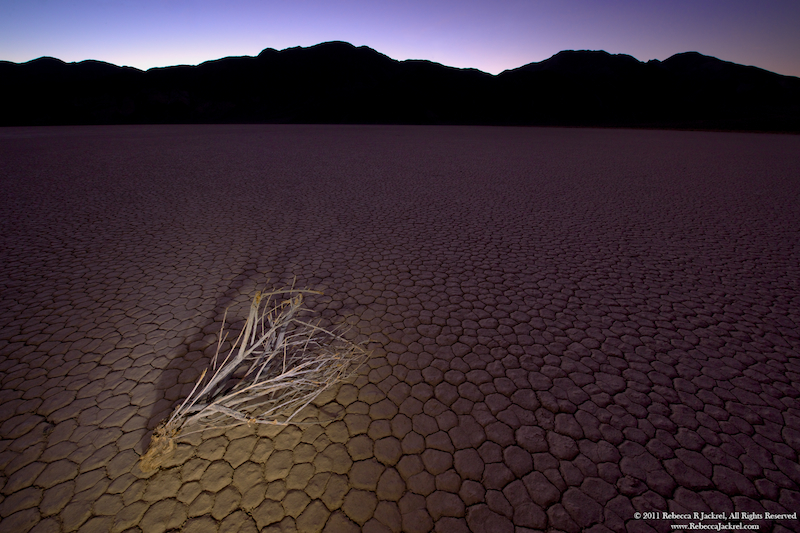
In Death Valley I used my head lamp to illuminate a branch which had blown onto the playa, opting to light just a portion of the image rather than utilizing filters which could have allowed for an entirely bright foreground. For me this image is more about creating a mood than just documenting the fact of the branch.
And if you think the next image is out of the box and 'new' - think again. Even Pablo Picasso (yup the famous painter) and Gjon Mili were creating light paintings in 1949. 'Drawing a Centaur in the Air'
So take a walk through history, see who has gone before you and savor their triumphs as you incorporate their tried and true techniques into your own work. Techniques that produced amazing photos 100 years ago are never too old to be new again.

Images by Frank Hurley displayed with permission by the Royal Geographic Society
'The Heart of the Great Alone - Scott, Shackleton and Antarctic Photography' is on display at the Queen's Gallery in Buckingham Palace until April 15th. I can't recommend it highly enough.


